
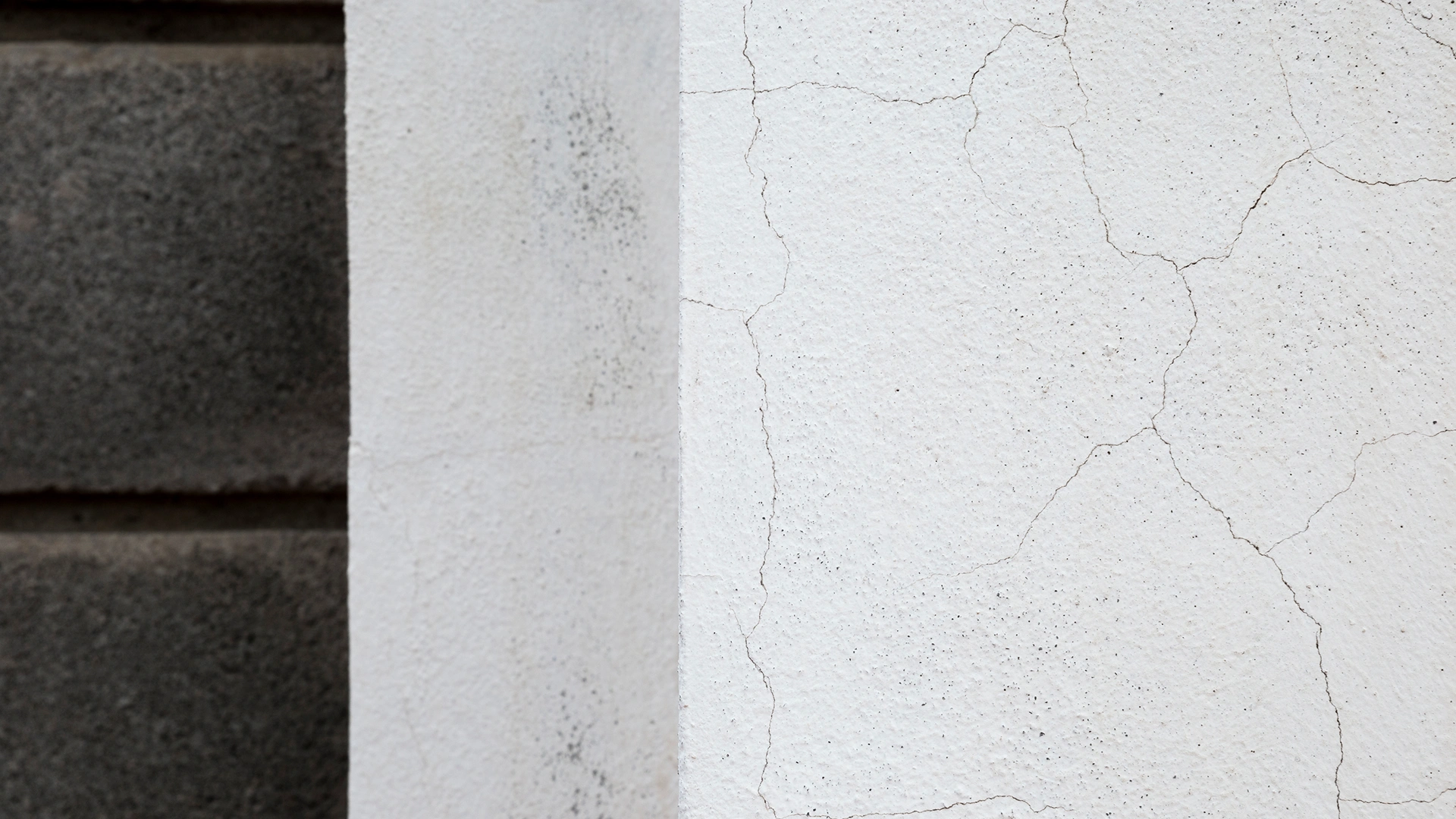
Why Small Cracks Deserve a Closer Look
A hairline crack in a concrete block wall can seem harmless at first glance, but it may be the first visible sign of movement happening deeper within the structure. What looks like a minor cosmetic issue can, in some cases, point to settlement, moisture-related deterioration, foundation movement or poor load transfer. That is why Why Small Cracks in Concrete Block Walls Can Signal Bigger Structural Issues Beneath the Surface is a topic worth taking seriously if you own, manage or are planning works on a property in Sydney.
For homeowners, builders and property managers seeking structural engineer services or consultancy, understanding these warning signs early can make a major difference. In practical terms, Why Small Cracks in Concrete Block Walls Can Signal Bigger Structural Issues Beneath the Surface is about recognising when a surface defect is more than a surface defect. In the context of Structural Engineering, it means assessing how a wall is performing as part of the wider building system, rather than treating the crack in isolation. Visit our Structural Engineering page for more information.
At Engineering Sydney, we help clients identify the difference between routine wear and signs of a structural issue that needs attention. Based in Oatley and working across Sydney, we provide practical, personalised engineering advice designed to protect safety, durability and value. If you are unsure whether a crack needs monitoring, repair or a more detailed inspection, we can help you make an informed decision.
In this article, we will look at the most common causes of cracking in concrete block walls, the structural concerns those cracks can sometimes indicate, and the warning signs that suggest a professional assessment is needed. We will also explain when a simple repair may be enough and when a structural engineer should investigate further. If you want clarity before a small problem becomes a costly one, contact Engineering Sydney for expert guidance and support.
How Small Cracks in Concrete Block Walls May Indicate Serious Structural Problems
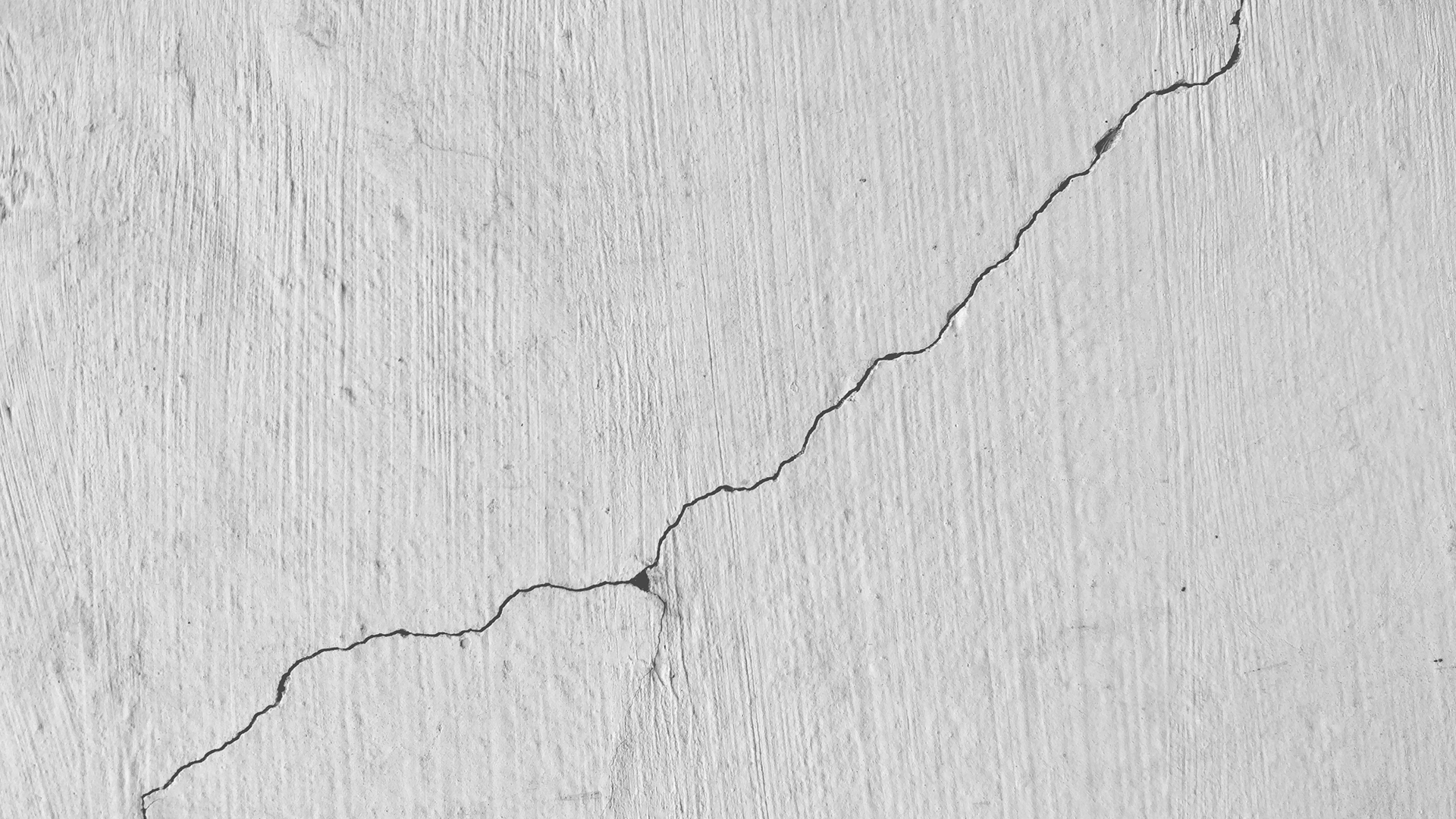
Why Small Cracks in Concrete Block Walls Can Signal Bigger Structural Issues Beneath the Surface is the idea that a minor-looking crack in a block wall may be more than a cosmetic blemish. In many cases, it can be an early warning sign of movement, loading issues, moisture problems, or foundation settlement affecting the structure as a whole. Just as a hairline crack in a car windscreen can spread if the cause is left unchecked, a small crack in a concrete block wall can point to stress elsewhere in the building.
In practical terms, these cracks are often linked to how the wall is performing under load. Concrete block walls may crack at joints, corners, openings, or along stepped patterns when there is differential movement, poor reinforcement, inadequate footing support, or pressure from retained soil. The crack itself is only the visible symptom; the underlying cause may involve foundations, slabs, drainage, or the way the wall was designed and built. That is why structural engineers rely on forensic structural reports to look beyond the surface and assess the whole system, not just the damaged area.
A common misconception is that all small cracks are harmless. While some minor shrinkage cracks can be normal in concrete, others can indicate a developing structural issue that may worsen over time. The key is understanding the pattern, width, location, and whether the crack is changing. At Engineering Sydney, we treat these details as important clues. We consider them alongside site conditions, wall type, drainage, and nearby movement to determine whether the crack is superficial or a sign of something more serious.
For homeowners and property owners in Sydney, this matters because early investigation can save time, money, and stress. At Engineering Sydney, we provide practical structural engineering advice that helps you identify the real cause of cracking and choose the right solution. Whether the issue is minor or points to a broader structural concern, our role is to give you clear guidance, safe design advice, and confidence in the long-term performance of your wall and building.
Terms to Know When Small Cracks in Concrete Block Walls Start Telling a Bigger Story
When you’re looking at Why Small Cracks in Concrete Block Walls Can Signal Bigger Structural Issues Beneath the Surface, it helps to understand a few core engineering terms. Knowing what these mean can make it easier to judge whether a crack is simply cosmetic or a sign that your wall needs professional attention.
Structural movement
Structural movement is any change in position or shape within a building or wall, often caused by settlement, soil movement, moisture changes or loading. Even minor movement can show up first as a small crack in a concrete block wall, which is why it should never be ignored.
Differential settlement
Differential settlement occurs when one part of a structure sinks or shifts more than another part. This uneven movement can place stress on block walls and create stepped, vertical or diagonal cracking that may point to a foundation issue beneath the surface.
Load-bearing wall
A load-bearing wall supports weight from the structure above, such as floors, roof framing or other walls. If a crack appears in a load-bearing concrete block wall, it can have more serious implications than a crack in a non-structural wall, because the wall is part of the building’s load path.
Crack pattern
A crack pattern is the shape, direction and location of cracking across a wall. Different patterns can suggest different causes, such as shrinkage, movement, overloading or foundation distress, helping us identify whether the issue is superficial or structural.
Foundation movement
Foundation movement refers to shifting, rotation or settlement in the footing or slab that supports the wall. Because concrete block walls rely on stable support, even small movements at the base can lead to visible cracking higher up the wall.
Reinforcement
Reinforcement is the steel placed within concrete or concrete block walls to improve strength and control cracking. If reinforcement is inadequate, poorly placed or affected by corrosion, the wall may be more vulnerable to cracks that widen over time.
Moisture ingress
Moisture ingress is the entry of water into a wall or structural element through cracks, joints or porous materials. In concrete block walls, trapped moisture can worsen deterioration, contribute to corrosion and make a minor crack part of a larger structural problem.
Understanding these terms gives you a clearer picture of what a crack may be telling you about the structure behind it. If you’re concerned about Why Small Cracks in Concrete Block Walls Can Signal Bigger Structural Issues Beneath the Surface, we can assess the wall properly and help you decide on the safest, most practical next step.
Frequently Asked Questions About Cracks in Concrete Block Walls
If you’ve noticed cracks in a concrete block wall, it’s natural to wonder whether they’re simply cosmetic or a sign of something more serious. Below, we answer some of the most common questions to help you understand what the cracks may be telling you and when it’s worth getting expert advice.
Why Small Cracks in Concrete Block Walls Can Signal Bigger Structural Issues Beneath the Surface?
Even a small crack can be an early warning sign that the wall is moving, settling or being affected by moisture or soil pressure. In some cases, the crack itself is not the main problem, it is a symptom of foundation movement, poor drainage or inadequate reinforcement behind the wall. At Engineering Sydney, we often see that what looks minor on the surface can reveal a more significant structural issue if it is left unchecked.
Are hairline cracks in a concrete block wall always a concern?
Not always, as some hairline cracks can occur naturally as materials cure or due to minor shrinkage. However, if the crack is growing, widening, or appearing in a pattern such as stair-stepping through the mortar joints, it may indicate movement that needs closer attention. The safest approach is to monitor the crack and have it assessed if you are unsure whether it is stable.
What causes cracks in concrete block walls?
Common causes include foundation settlement, soil movement, water ingress, poor drainage, thermal expansion and inadequate wall reinforcement. In retaining walls, pressure from saturated soil is a frequent culprit, especially after heavy rain or where drainage has been poorly designed. Understanding the cause is essential because repairing the crack alone will not solve the underlying issue if the wall is still under stress.
How can I tell if a crack is structural or just cosmetic?
Cosmetic cracks are usually very fine, stable and limited to the surface, whereas structural cracks often continue through mortar joints or blocks and may change over time. Signs such as bowing, bulging, doors or windows sticking nearby, or repeated cracking in the same area can suggest a deeper problem. If the wall is load-bearing or retaining soil, it is especially important to get a professional opinion.
Should I repair a small crack straight away?
Yes, but only after you understand why it has appeared. Sealing a crack without addressing the cause may hide the problem temporarily while movement continues behind the scenes. A proper assessment allows us to recommend the right fix, whether that is drainage improvements, reinforcement, underpinning or a targeted repair.
When should I call a structural engineer about wall cracks?
You should contact a structural engineer if the crack is widening, longer than a few millimetres, stepping through blocks or mortar, or accompanied by movement, water damage or bulging. It is also wise to seek advice if the wall supports a slope, driveway or adjacent structure, as the consequences of failure can be more serious. Early assessment can save you time, money and stress by catching the issue before it worsens.
Small cracks are not always a sign of major trouble, but they should never be ignored without proper consideration. If you are concerned about cracks in a concrete block wall, Engineering Sydney can help you identify the cause and recommend a practical, safe solution.
Small Cracks, Big Picture: What to Do Next
Small cracks in concrete block walls can look harmless at first, but as we’ve explored, they can be early warning signs of movement, moisture issues, foundation settlement or other hidden defects. Understanding Why Small Cracks in Concrete Block Walls Can Signal Bigger Structural Issues Beneath the Surface helps you avoid the trap of treating a symptom while the real problem continues to develop out of sight.
By paying attention to the size, pattern and location of cracking, you give yourself a much better chance of catching structural concerns early. That matters because timely investigation can protect your property, reduce repair costs and help maintain safety and long-term performance. In other words, the information in this article is designed to help you make informed decisions before a minor defect becomes a major concern.
This is where experienced structural advice makes all the difference. At Engineering Sydney, we understand how wall cracking can relate to broader building behaviour, and we provide practical, tailored solutions that address the cause rather than just the appearance. If you’d like to learn more about the wider discipline behind this issue, visit our Structural Engineering page for further insight into how Engineering Sydney assesses and designs safe, durable structures.
If you’ve noticed cracking in a concrete block wall, don’t leave it to guesswork. Contact us via our contact page and we’ll help you understand what’s happening, what it means for your property and the best way to move forward with confidence.