
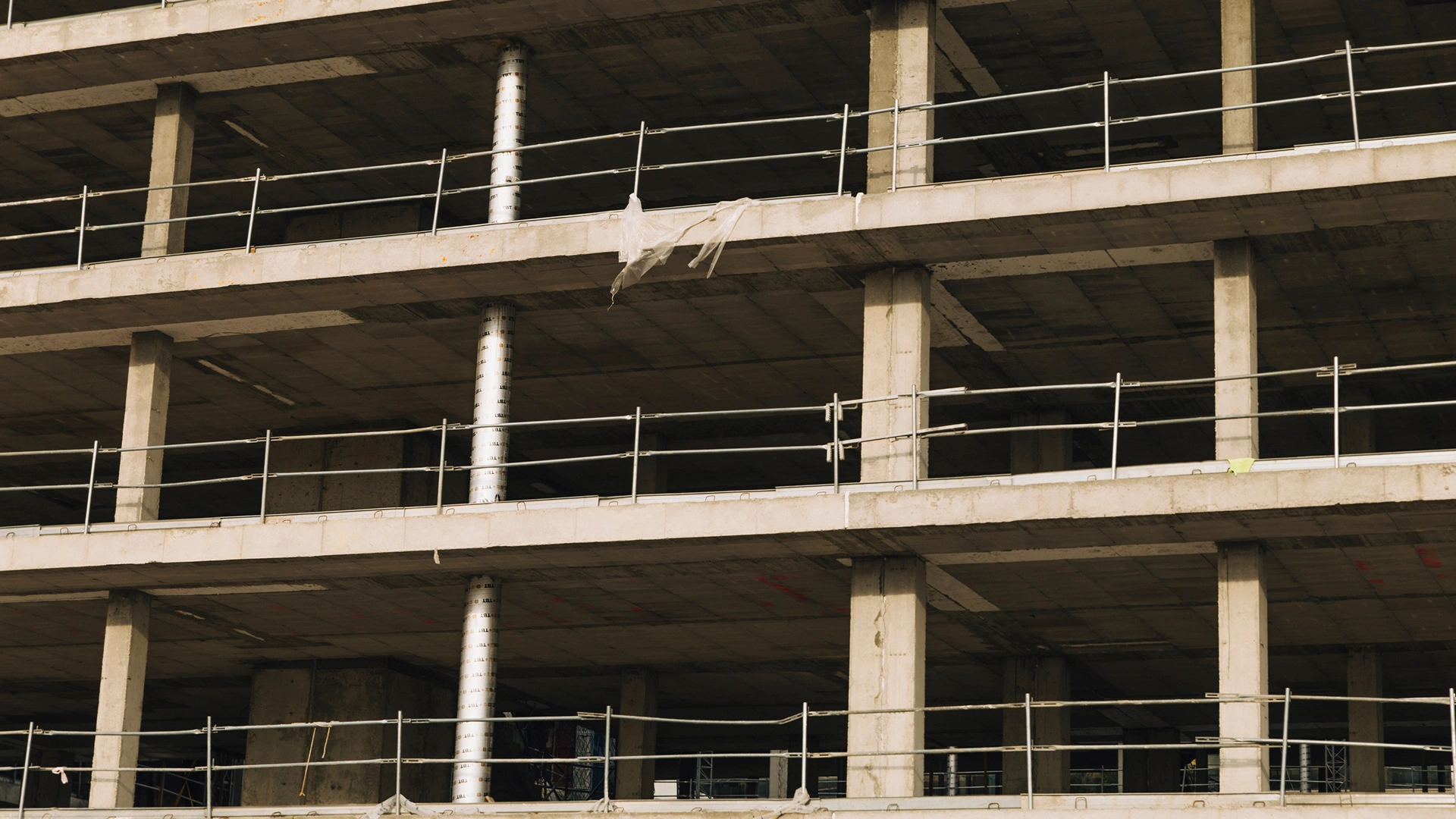
When Concrete Starts to Tell the Truth
A hairline crack in a slab or a spalling column may look minor at first glance, but these are often the first visible signs that a structure is trying to tell you something important. In Structural Failures Explained: What Reinforced Concrete Slabs and Columns Reveal After Damage Occurs, we look beyond the surface damage to understand what it means for safety, durability and the future of the building.
For property owners, managers and anyone needing structural engineering advice, this topic matters because reinforced concrete elements are often the backbone of a structure. When slabs deflect, crack or deteriorate, and columns show distress, the cause may range from overloading and corrosion to poor detailing, movement in the foundation or long-term exposure to moisture. Understanding these warning signs early can help you make informed decisions before small defects turn into costly repairs. At Engineering Sydney, we bring practical, site-focused insight to these kinds of structural concerns.
This article explains what damage in reinforced concrete slabs and columns can reveal, how engineers assess the severity of the issue, and what factors influence whether a structure can be repaired, strengthened, or requires more detailed investigation. It also highlights the warning signs that should prompt an urgent inspection, and why a timely Structural Engineering assessment is essential for protecting both people and assets. Visit our Structural Engineering page for more information.
These issues sit at the heart of Stuctural Engineering, where the goal is to ensure structures remain safe, serviceable and fit for purpose. If you are noticing cracking, movement or visible deterioration, our team can help you understand what is happening and what to do next. For tailored advice or to discuss your project, please contact us and we’ll be happy to assist.
Structural Failures Explained: What Reinforced Concrete Slabs and Columns Reveal After Damage Occurs
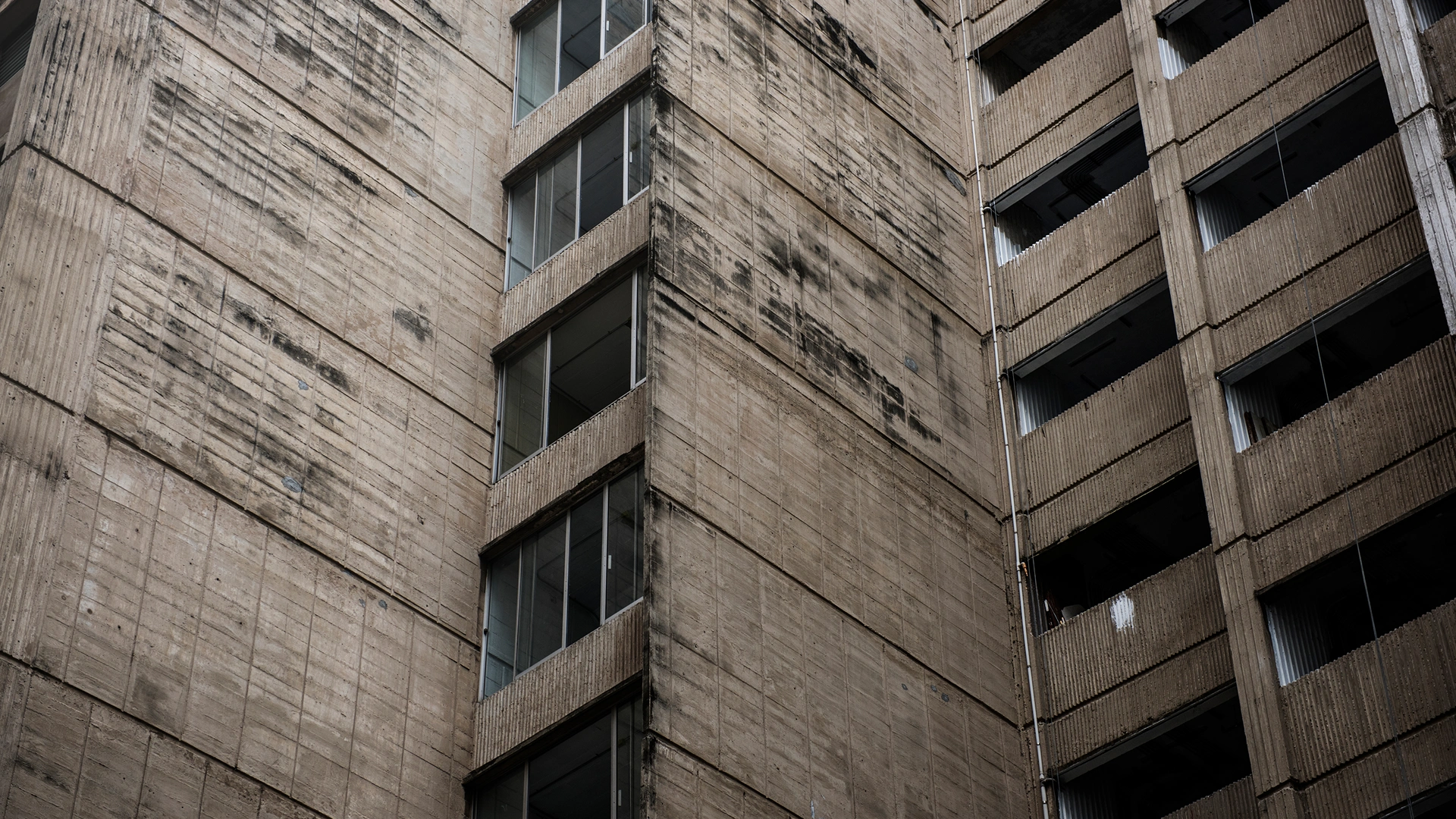
What Reinforced Concrete Slabs and Columns Reveal After Damage Occurs refers to the way engineers identify, interpret and respond to damage in reinforced concrete elements once a structure has started to show signs of distress. In simple terms, it is the process of reading the “story” that cracks, spalling, deflection and corrosion are telling us. A slab may behave like a floor’s backbone, while columns act like the vertical legs carrying loads down to the foundations. When either one is damaged, the visible symptoms can reveal whether the issue is minor, localised or a sign of a more serious structural problem.
The key characteristics of this kind of failure assessment include cracking patterns, movement, loss of concrete cover, exposed reinforcement and changes in load-carrying performance. Not every crack means imminent collapse, and that is an important distinction. Some cracks are cosmetic, while others indicate bending, settlement, overloading or long-term deterioration. Think of it like a doctor reading a scan: the image alone does not tell the whole story, but it gives vital clues about what is happening inside. That is why a proper structural inspection looks beyond the surface to understand how the slab or column is actually performing.
Within the broader field of Structural Engineering, this type of analysis helps us protect safety, extend service life and recommend practical repairs, including solutions such as shoring where temporary support is required during strengthening or remediation works. We assess whether a damaged slab can still distribute loads effectively, or whether a column has lost enough capacity to require urgent strengthening. This is especially valuable in Sydney, where ageing buildings, moisture exposure and previous renovations can all contribute to hidden deterioration over time.
At Engineering Sydney, we use this understanding to provide clear, personalised advice that helps you make informed decisions. Whether you are dealing with cracked concrete, suspected corrosion or visible deformation, our role is to determine what the damage means, what risks it creates and what solution will best suit your project. In that sense, Structural Failures Explained: What Reinforced Concrete Slabs and Columns Reveal After Damage Occurs is not just about identifying damage, it is about turning evidence into safe, practical engineering action.
Terms to Know When Assessing Reinforced Concrete Damage
When we look at Structural Failures Explained: What Reinforced Concrete Slabs and Columns Reveal After Damage Occurs, a few technical terms come up again and again. Understanding them helps you make sense of what damage may mean, what needs urgent attention, and how we assess the safest next steps.
Reinforcement
Reinforcement refers to the steel bars or mesh embedded within concrete to help it resist tension and cracking. Concrete is strong in compression, but the steel provides the extra strength needed where loads pull or bend a slab or column.
Cracking
Cracking is the formation of visible splits or fractures in concrete, ranging from fine hairline cracks to wider structural cracks. The pattern, width and location of cracks often tell us whether the issue is cosmetic or linked to a deeper structural problem.
Spalling
Spalling happens when pieces of concrete break away from the surface, often exposing the steel reinforcement underneath. It can be a sign that moisture has reached the steel, causing corrosion and weakening the member over time.
Corrosion
Corrosion is the deterioration of steel caused by moisture, oxygen and contaminants such as salts. In reinforced concrete slabs and columns, corrosion expands the steel and can lead to cracking, spalling and reduced load-bearing capacity.
Load-bearing capacity
Load-bearing capacity is the amount of weight or force a structural element can safely support. When a slab or column is damaged, its capacity may be reduced, which is why a proper assessment is essential before the structure is used as normal.
Deflection
Deflection is the amount a slab, beam or column bends or moves under load. Excessive deflection can indicate overstressing, loss of stiffness or hidden damage that may worsen if left unaddressed.
Structural assessment
A structural assessment is a professional inspection and analysis of a damaged element to determine its condition, safety and repair needs. In the context of Structural Failures Explained: What Reinforced Concrete Slabs and Columns Reveal After Damage Occurs, it helps us identify whether the damage is localised or part of a wider structural issue.
Knowing these terms makes it easier to understand what damaged concrete may be telling you. If you suspect a slab or column has been affected, a careful structural review can help you move from uncertainty to a clear, practical solution.
FAQs on Reinforced Concrete Slab and Column Damage
If you are trying to understand what damage in reinforced concrete slabs and columns really means, these FAQs cover the most common concerns. They also explain when a problem is cosmetic, when it may point to a deeper structural issue, and when it is time to seek professional advice.
What do cracks in a reinforced concrete slab usually indicate?
Cracks can range from harmless shrinkage lines to signs of movement, overloading, or poor detailing. In the context of Structural Failures Explained: What Reinforced Concrete Slabs and Columns Reveal After Damage Occurs, the location, width, pattern and progression of the cracking all matter. For example, fine surface cracks may be normal, but widening cracks, stepped cracking or cracks that follow a beam line can suggest a more serious issue that should be assessed.
How can I tell if damage to a column is serious?
A damaged column becomes a concern when you notice spalling, exposed reinforcement, crushing, rust staining or visible deformation. Columns are critical load-bearing members, so even small changes can affect the way loads are transferred through the structure. If a column has been hit by a vehicle, shows significant corrosion, or appears to be leaning or bulging, we recommend a structural inspection as soon as possible.
Yes, water ingress is one of the most common causes of long-term deterioration in reinforced concrete. Once moisture reaches the steel reinforcement, corrosion can begin, which may lead to cracking, spalling and loss of strength over time. In apartment buildings, car parks and balconies, ongoing leaks or poor drainage often reveal themselves through staining, rust marks and concrete breakout.
You should arrange an inspection promptly if the damage is spreading, if there is visible reinforcement, if doors and windows are suddenly sticking, or if you hear cracking or see movement after an impact or storm. Even when the damage looks minor, it is worth checking whether the slab or column has lost capacity or serviceability. At Engineering Sydney, we can assess the damage, identify the likely cause and advise on the most practical repair approach.
Is it safe to keep using a building with damaged slabs or columns?
That depends on the type and extent of the damage, but it is never wise to assume the structure is safe without proper assessment. A slab with minor shrinkage cracking may remain serviceable, while a column with significant spalling or reinforcement corrosion could pose a real risk. If you are unsure, it is better to limit loading in the affected area and have the structure reviewed by a qualified engineer.
What happens during a structural assessment of reinforced concrete damage?
We typically begin with a visual inspection, then look at crack patterns, concrete condition, reinforcement exposure, signs of movement and any relevant history such as leaks, impact damage or nearby works. Depending on what we find, we may recommend further investigation, such as testing concrete cover or checking for corrosion. The aim is to determine whether the issue is cosmetic, localised or part of a wider structural problem.
Can damaged slabs and columns be repaired, or do they need replacing?
Many damaged reinforced concrete elements can be repaired, especially when the issue is caught early. Repairs may include patching, strengthening, corrosion treatment or load redistribution, depending on the cause and severity of the damage. Replacement is usually only necessary when the element has suffered extensive deterioration or the structural capacity cannot be restored safely and economically.
Understanding what slab and column damage is telling you can make all the difference to safety, cost and repair outcomes. If you have concerns about a reinforced concrete structure, we can help you assess the damage and recommend a practical solution.
Turning Damage into Clear Structural Insight
When damage appears in reinforced concrete slabs and columns, it is rarely just a surface issue. As we have explored in Structural Failures Explained: What Reinforced Concrete Slabs and Columns Reveal After Damage Occurs, cracking, spalling, deflection and corrosion can all point to deeper problems affecting safety, durability and performance. Understanding what these signs mean helps you respond early, rather than waiting for minor deterioration to become a major structural concern.
This is where informed assessment makes all the difference. By reading the symptoms correctly, you can identify whether the issue is related to loading, movement, moisture ingress, reinforcement corrosion or construction defects. That knowledge gives you a clearer path forward, whether you are maintaining an existing building, planning remedial works or simply wanting peace of mind about the condition of a structure. It is also a practical reminder of why Structural Engineering plays such an important role in keeping the built environment safe, serviceable, and economical. Visit our Structural Engineering page for more information.
At Engineering Sydney , we combine technical expertise with practical, tailored advice to help you make confident decisions about damaged concrete elements. From initial inspection through to design solutions, we focus on clear communication and effective outcomes that suit your project needs.
If you have noticed signs of distress in a slab, column or other structural element, do not leave it to chance. Contact us to discuss your concerns and find the right next step. With the right guidance, you can protect your property, reduce risk and move forward with confidence.