
When Excavation Gets Tight, Shoring Becomes Essential
If an excavation is moving closer and closer to an existing home, boundary wall or neighbouring building, the margin for error quickly disappears. Ground that once felt stable can start to shift, and what looks like a routine dig can become a structural risk in a matter of hours. That is exactly why builders rely on shoring when excavations get too close to existing structures: it helps keep the surrounding ground supported while the work progresses safely.
For anyone planning a renovation, basement, new build or civil works near an occupied property, understanding Why Builders Rely on Shoring When Excavations Get Too Close to Existing Structures is more than a technical detail — it is a practical safeguard for people, property and programme. Shoring is the temporary support system used to stabilise excavation faces and reduce the chance of movement, settlement or damage to nearby structures. In structural engineering, it plays a vital role in protecting the built environment when works must happen in confined or sensitive conditions.
In this article, we’ll look at when shoring is needed, the risks of excavating too close without proper support, and the factors engineers consider when designing a safe solution. We’ll also touch on how shoring works alongside other structural measures, such as retaining walls, footings and temporary support systems, to keep projects on track. If you are weighing up a project near an existing structure, this knowledge can help you ask the right questions and make better decisions from the outset.
This topic sits squarely within Stuctural Engineering, where the focus is on safe, durable and practical solutions that suit real-world site conditions. At Engineering Sydney, we combine structural and civil engineering expertise with personalised service to help you manage excavation risks with confidence. If you need guidance for your project, contact us and we’ll help you find a solution that works for your site and your build.
Why Builders Rely on Shoring When Excavations Get Too Close to Existing Structures
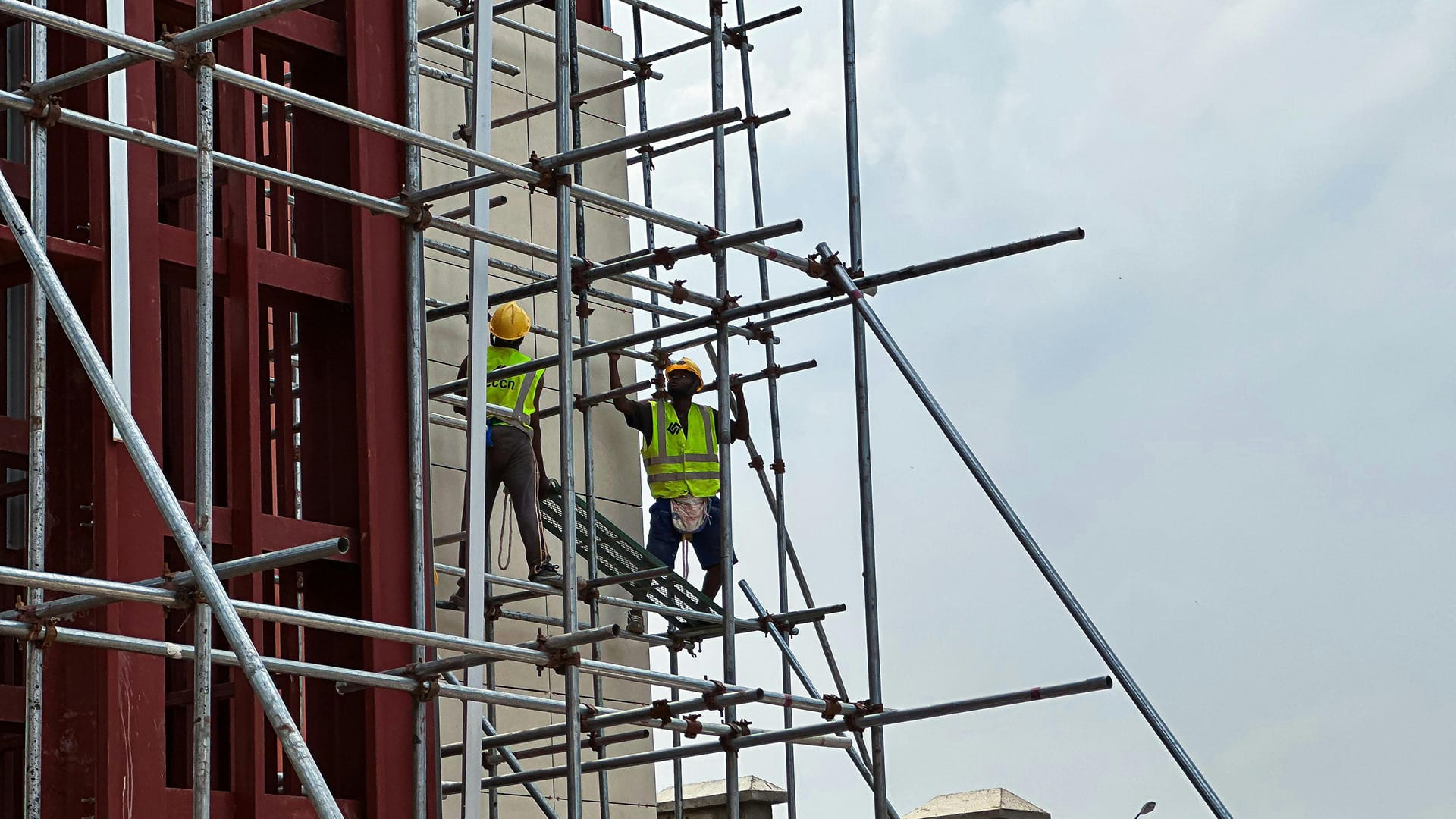
Why Builders Rely on Shoring When Excavations Get Too Close to Existing Structures is the practice of temporarily supporting the sides of an excavation so nearby buildings, footpaths, driveways, fences and underground services do not shift, crack or collapse. In simple terms, when a dig gets close enough to an existing structure, the ground can no longer safely hold itself in place on its own. Shoring acts like a strong brace, much like propping up a bookshelf before removing a load-bearing side panel.
This is not just about stopping soil from falling into the excavation. Good shoring systems are designed to control movement, manage loads and protect the stability of surrounding assets, helping to prevent Structural Failures during excavation and construction stages. Depending on the site, that may involve timber or steel members, sheet piles, soldier piles and lagging, or engineered retaining solutions tied back into stable ground. The right approach depends on soil conditions, excavation depth, water levels and how close the neighbouring structure is to the boundary.
In the wider world of Structural Engineering, shoring is a practical example of how we keep the built environment safe while new work is underway. It is often used for basement construction, additions, service trenches and underpinning projects where space is tight and the margin for error is small. A common misconception is that shoring is optional if the excavation looks shallow, but even a modest dig can trigger settlement or lateral movement if the soil is weak or the adjacent building is sensitive.
At Engineering Sydney, we see shoring as part of delivering sensible, site-specific solutions rather than a one-size-fits-all fix. We assess the risks, design support that suits the project, and help you build with confidence when excavation works are happening close to existing structures. That means better protection for neighbouring property, smoother construction and fewer costly surprises along the way.
Terms to Know When Excavations Are Too Close to Existing Structures
When you’re planning work near an existing building, understanding a few core shoring terms can make the process far clearer. These definitions will help you see why careful temporary support is so important in Why Builders Rely on Shoring When Excavations Get Too Close to Existing Structures.
Shoring
Shoring is temporary structural support used to hold back soil or support an adjoining structure during excavation or construction. It helps keep the ground stable while work is carried out safely below or beside existing assets.
Excavation Support
Excavation support refers to any system designed to stabilise the sides of a dig and prevent collapse or excessive ground movement. This can include shoring, retaining systems, anchors, and bracing depending on site conditions.
Lateral Earth Pressure
Lateral earth pressure is the sideways force exerted by soil against a retaining or support system. As excavation depth increases, this pressure can become significant and must be managed carefully.
Settlement
Settlement is the downward movement of soil or a structure, often caused by excavation, vibration, or changes in ground conditions. Even small amounts can lead to visible damage such as cracks or misalignment.
Underpinning
Underpinning is the process of strengthening or extending the foundation of an existing structure so it can remain stable during nearby excavation or long-term changes in ground conditions. It is often used where the original footing is too shallow or too close to the work area.
Retaining Wall
A retaining wall is a structure built to hold back soil at different levels, preventing collapse and controlling changes in ground elevation. In engineering work, it must be designed to resist soil loads, water pressure, and any additional forces from nearby construction.
Monitoring
Monitoring is the process of checking movement, vibration, and ground behaviour during excavation and construction. It may involve survey points, crack gauges, or automated systems to confirm that the site remains within safe limits.
Knowing these terms gives you a stronger understanding of how excavation risks are managed near existing buildings. With the right engineering advice, you can protect nearby structures, keep your project moving, and make safer decisions from the outset.
FAQs About Shoring Near Existing Structures
If you’re planning an excavation close to a house, retaining wall or commercial building, it’s natural to have questions about safety and compliance. These FAQs explain why shoring is so important and how it helps protect nearby structures during construction.
Why do builders rely on shoring when excavations get too close to existing structures?
Builders rely on shoring because excavation can remove the lateral support that nearby structures depend on. Without proper support, soil can shift, walls can crack and foundations may settle unevenly. Why Builders Rely on Shoring When Excavations Get Too Close to Existing Structures is simple: it helps keep the ground stable and reduces the risk of damage while work is underway.
What types of projects usually need shoring?
Shoring is commonly needed for basement digs, new multi-storey developments, retaining wall replacement and service trenching near boundary lines. It’s also important when you’re excavating beside older homes, neighbouring fences or structures with shallow footings. In these situations, we assess the site conditions and design a solution that suits the depth of excavation and the sensitivity of the surrounding assets.
How does shoring protect nearby buildings?
Shoring supports the sides of an excavation so the soil does not collapse or move towards adjacent structures. This helps prevent ground loss, which is one of the main causes of cracking, movement and instability in nearby buildings. In practical terms, it creates a controlled working zone so the excavation can proceed without compromising safety or structural integrity.
What happens if shoring is not used where it should be?
If shoring is omitted or poorly designed, the excavation may cause soil to slump or shift, leading to damage that can be expensive to repair. You could see cracking in walls, movement in slabs, damage to services or even a partial collapse of the excavation face. In serious cases, it can also create safety risks for workers, neighbours and passers-by.
Is shoring always required for shallow excavations?
Not always, but depth is only one part of the decision. Soil type, distance to existing structures, groundwater conditions and the load on nearby foundations all influence whether shoring is needed. Even a relatively shallow excavation can require support if it is close to a fragile or heavily loaded structure.
Who should design the shoring system?
A qualified structural or civil engineer should design the shoring system, because it needs to suit the site conditions, excavation depth and nearby loads. At Engineering Sydney, we develop practical designs that balance safety, buildability and cost. This helps you move forward with confidence, knowing the excavation is properly supported.
Can shoring be adjusted if site conditions change during the job?
Yes, but any change should be reviewed by an engineer before work continues. Ground conditions, unexpected obstructions or water ingress can all affect how the excavation behaves, so the shoring may need to be modified. Ongoing inspection and good communication on site are essential to make sure the system continues to perform as intended.
Shoring is a critical part of safe excavation when nearby structures are at risk. If you need tailored advice for your project, we can help you choose a solution that protects both the build and the buildings around it.
Protecting Nearby Structures Starts with the Right Shoring Strategy
When excavations move too close to neighbouring buildings, the risks rise quickly — from ground movement and cracking to more serious structural instability. That is why builders rely on shoring: it provides temporary support, helps control excavation impacts, and gives everyone greater confidence that the work can proceed safely and efficiently. In practice, Why Builders Rely on Shoring When Excavations Get Too Close to Existing Structures comes down to one thing: protecting what is already in place while making room for what needs to be built next.
Understanding this process helps you see why shoring is not just a precaution, but an essential part of responsible construction planning. It allows projects to progress in tighter sites, reduces the chance of costly delays, and supports safer outcomes for workers, neighbours, and the structure itself. This is especially important in Structural Engineering, where careful planning ensures issues are avoided from the outset. If you are planning a project near an existing building, this knowledge can help you make better decisions early and prevent problems later on. Visit our Structural Engineering page for more information.
This is also where structural expertise makes a real difference. As part of the broader field of Stuctural Engineering, shoring design requires careful assessment of loads, soil conditions, site constraints, and construction sequencing. At Engineering Sydney, we combine practical thinking with technical precision to deliver solutions that suit your site and your project goals.
If you need guidance on excavation support or want to better understand Why Builders Rely on Shoring When Excavations Get Too Close to Existing Structures, we are here to help. Contact us to discuss your project and find a safe, practical approach that works for you.