
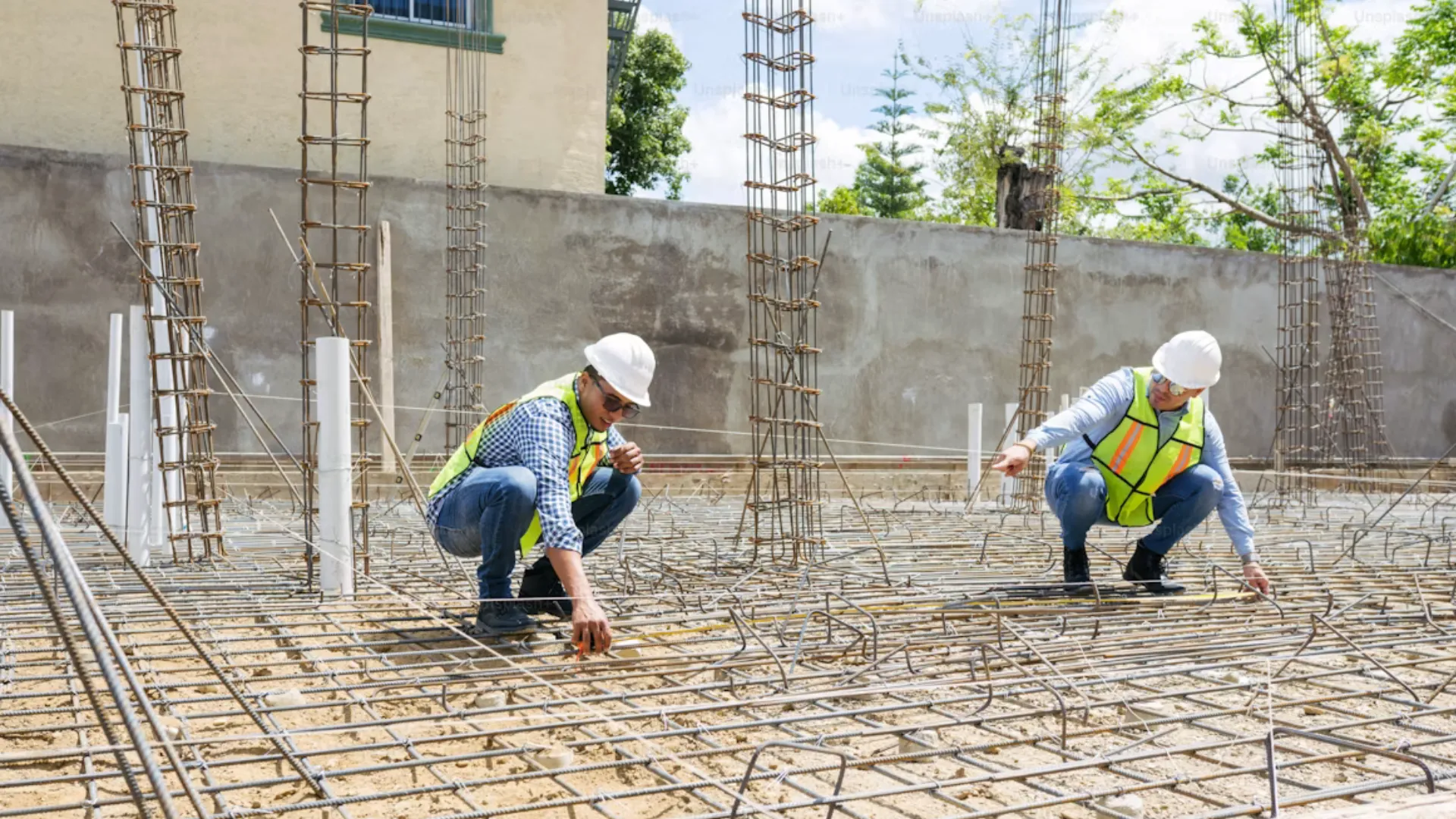
Why Strong Foundations Start Below the Surface
When a crack appears in a wall or a floor begins to dip, the real cause is often hidden long before it becomes visible. That is why Why Your Home’s Foundations Matter: Understanding Footings, Piles and Ground Conditions is such an important topic for homeowners, builders and property owners in Sydney. The ground beneath your home can change everything about how a structure performs over time, especially in a city with varied soil types, sloping sites and changing drainage conditions.
At Engineering Sydney, we understand that a well-designed foundation is not just about supporting a building today, it is about helping it remain safe, durable and serviceable for years to come. This is where structural and civil engineering work together, assessing what your site needs and designing practical solutions that suit the land, the load and the local conditions. If you are looking for reliable Sydney Engineers, understanding foundations is a great place to start.
In this article, we’ll look at what footings and piles do, how ground conditions influence foundation design, and why soil bearing capacity matters when planning a new build or assessing an existing structure. We’ll also cover common warning signs of movement, the role of site investigations, and when professional engineering advice can help you avoid unnecessary stress, delays and costly repairs. For more information about the engineering services that can support your project, visit our Sydney Engineers page.
Whether you are building a new home, extending an existing one or responding to signs of settlement, this topic is crucial because the right foundation design can protect your investment and give you peace of mind. If you need guidance tailored to your site, Engineering Sydney can help with practical, personalised advice and engineered solutions. Contact us to discuss your project and find out how we can support you from the ground up.
Why Your Home’s Foundations Matter: Footings, Piles and Ground Conditions Explained
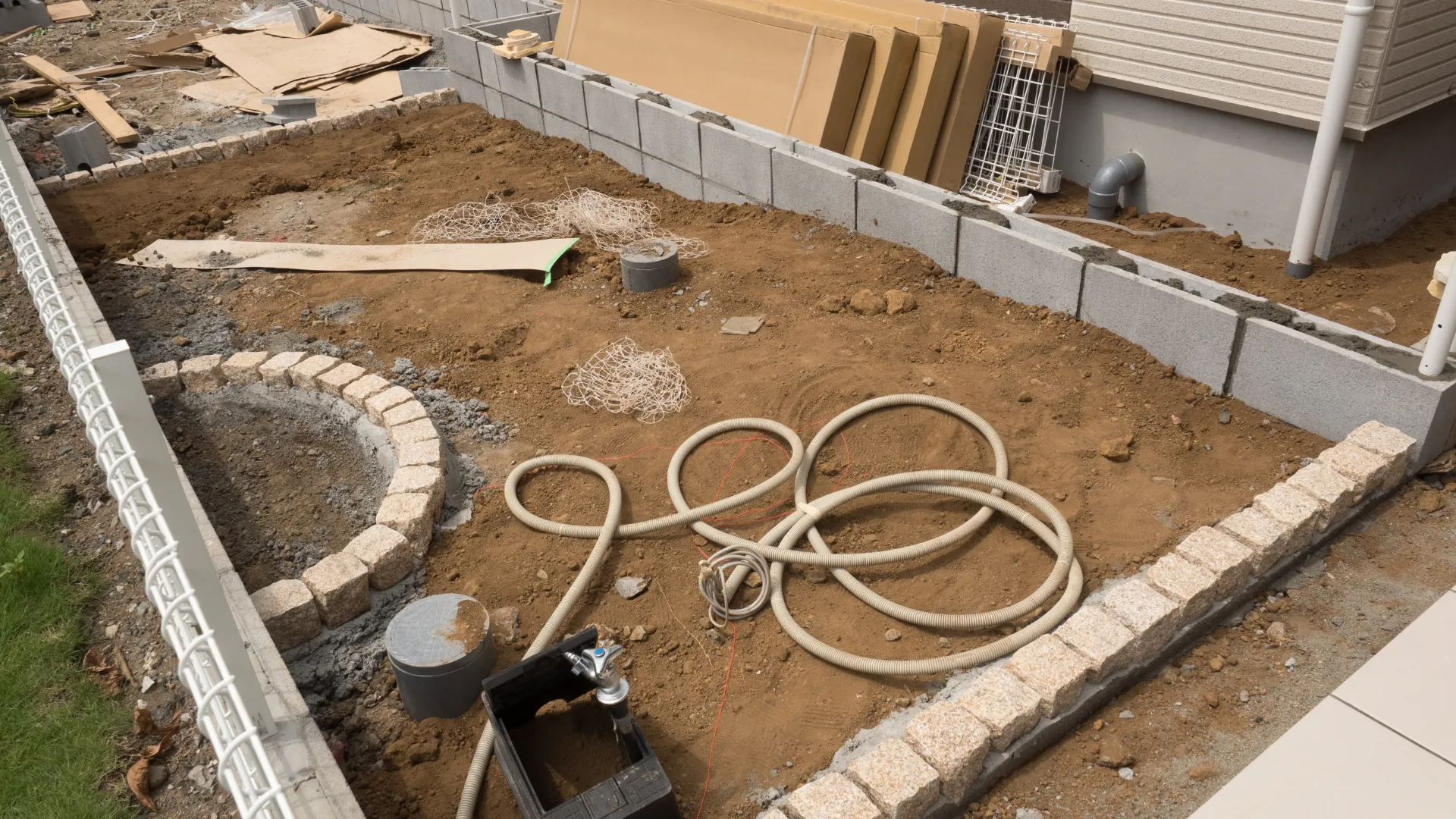
Understanding Footings, Piles and Ground Conditions is the part of structural engineering that explains how your home is supported from the ground up. In simple terms, it covers the system that transfers the weight of your house safely into the soil beneath it. That might mean shallow footings for stable ground, deeper piles where the soil is weaker, or a combination of both depending on the site conditions. Think of it like choosing the right shoes for the terrain: a solid flat surface needs less support than soft sand or uneven ground.
The foundations are not just concrete hidden below the surface; they are a carefully designed response to the land your home sits on. Ground conditions can vary dramatically across Sydney, even from one street to the next. Clay, fill, reactive soils, slope, groundwater and nearby excavation can all affect how a structure performs over time. These factors can also become more important when making major changes to your home, such as adding bigger windows, because changes to walls and openings may affect how loads are transferred through the structure. That is why understanding the soil’s bearing capacity is so important; it tells us how much load the ground can safely carry without excessive settlement or movement.
This matters because a well-designed foundation protects your home from cracking, uneven floors, sticking doors and long-term structural issues. For homeowners and builders in Sydney, Understanding Footings, Piles and Ground Conditions is really about making sure the structure works with the site, not against it. That is where our structural and civil engineering expertise adds real value. At Engineering Sydney, we turn site conditions into a safe, tailored foundation design that supports your project for years to come.
Terms to Know for Stronger Home Foundations
Before we look at how footings, piles and ground conditions affect your home, it helps to understand a few core terms. Knowing these basics makes it easier to see why the right foundation design matters for safety, durability and long-term performance.
Footings
Footings are the structural base that spreads the load of a building safely into the ground. They are designed to support walls, columns and slabs so the structure remains stable over time.
Piles
Piles are deep foundation elements that transfer building loads down to stronger soil or rock beneath the surface. They are often used where the upper ground is weak, unstable or prone to movement.
Bearing capacity
Bearing capacity is the amount of load the soil can support without excessive settlement or failure. It is a critical measure when deciding whether standard footings are suitable or whether deeper foundations are needed.
Ground conditions
Ground conditions refer to the type, strength, moisture content and stability of the soil and rock beneath a site. These conditions can vary significantly across Sydney, which is why site-specific assessment is so important.
Settlement
Settlement is the downward movement of a structure as the ground beneath it compresses or shifts. Some settlement is normal, but uneven or excessive settlement can lead to cracking, sticking doors and structural distress.
Screw piles
Screw piles are a type of deep foundation installed by rotating steel shafts into the ground, much like a large screw. They are useful in many residential projects because they can provide reliable support with minimal disturbance to the site.
Raft slab
A raft slab is a reinforced concrete slab that spreads loads across a broad area of ground. It is often used where soil conditions require a wider load distribution to reduce the risk of movement.
Understanding these terms gives you a clearer picture of how your home is supported and why foundation design must respond to the site itself. At Engineering Sydney, we use this kind of practical knowledge to help you make informed decisions and achieve a safe, durable result.
FAQs About Home Foundations, Footings and Ground Conditions
If you’re planning a new build, renovation or extension, it’s natural to have questions about what’s happening below the surface. These FAQs on Why Your Home’s Foundations Matter: Understanding Footings, Piles and Ground Conditions will help you understand the basics and know when to seek expert advice.
What is the difference between footings and piles?
Footings are the part of the foundation that spreads the load of your home into the ground, usually through concrete pads, strips or slabs. Piles, on the other hand, are deeper structural elements that transfer loads down to stronger soil or rock when the surface ground is not suitable. In simple terms, footings work well on stable ground, while piles are often used where the soil is weaker, softer or more variable.
How do ground conditions affect my home’s foundations?
Ground conditions play a major role in how well your foundations perform over time. Expansive clay, fill, soft ground or sloping sites can all cause movement, cracking or uneven settlement if the foundation system is not designed correctly. At Engineering Sydney, we assess the site conditions first so the foundation design suits the soil, the structure and the site constraints.
How do I know if my house has foundation problems?
Common signs include cracks in walls or ceilings, sticking doors or windows, sloping floors and visible gaps around skirting boards or cornices. These symptoms do not always mean serious damage, but they should be checked early before the issue worsens. If you notice changes after heavy rain, dry weather or nearby excavation, it is wise to have an engineer inspect the property.
When are piles a better option than standard footings?
Piles are often the better choice when the upper soil layers are too weak, too reactive or too inconsistent to support the building safely. They are also useful on sloping blocks, near retaining walls or where a project needs to bypass poor ground and reach a stronger bearing layer. For example, a new extension on a site with fill or soft clay may need piles to achieve long-term stability.
Do I need an engineer to design my foundations?
Yes, in most cases a structural engineer should be involved to ensure the foundation system is suitable for your site and your building loads. A well-designed footing or pile system helps reduce the risk of settlement, cracking and costly repairs later on. We can provide practical, site-specific advice and design solutions that meet both performance and budget requirements.
Can poor drainage affect my foundations?
Absolutely. Poor drainage can soften soils, increase movement in reactive clays and contribute to erosion around footings and piles, all of which can affect stability. That is why foundation design often needs to be considered alongside stormwater management, site grading and retaining walls to protect the structure long term.
Understanding your foundations is one of the best ways to protect your home from avoidable structural issues. If you’d like expert help with Why Your Home’s Foundations Matter: Understanding Footings, Piles and Ground Conditions, Engineering Sydney can assess your site and recommend a practical, reliable solution.
Building on Solid Ground: The Final Takeaway
When it comes to Why Your Home’s Foundations Matter: Understanding Footings, Piles and Ground Conditions, the message is simple: what lies beneath your home is every bit as important as what you can see above it. From choosing the right footing system to understanding when piles are needed, and from assessing soil movement to accounting for site conditions, each decision plays a vital role in the long-term safety and performance of your property.
Getting the foundations right helps protect your home from cracking, settlement and costly structural issues down the track. It also gives you greater confidence that your build or renovation is suited to Sydney’s varied ground conditions. If you have been trying to make sense of the options, this information should help you understand what matters, why it matters, and how the right engineering approach can save time, money and stress.
At Engineering Sydney , we combine practical experience with personalised service to deliver solutions that suit your project and your site. Our work is part of the broader expertise offered by Engineering Sydney, bringing together structural and civil engineering knowledge to support safe, durable and efficient outcomes for homeowners across Sydney. For more information about our engineering services, visit our Sydney Engineers page.
If you are planning a new home, extension or major structural change, now is the time to make sure the ground beneath it is properly considered. Contact us to discuss your project and take the next step with confidence.